

Are you making minimum payments on your credit cards? This free online calculator will show you how long it will take to pay off your current debt & the amount of interest you will accrue over that period while only making minimum payments. The interest costs will only spiral further if you keep spending on the card while making the minimum payments, or if you miss a payment and get hit with late fees and other penalties. Many credit cards not only charge interest on their fees, but also charge higher rates of interest for anyone who misses a payment. Repeated missed payments can lead to near usurious interest rates.

Managing Your Credit Card Debt
If you have significant credit card debt & pay extra each month, you can really eat into principal and save thousands of Dollars in interest costs. If your total debts are reasonable, it may also make sense to pay off credit cards & other high interest loans using a home equity loan to consolidate your debts. If the debt load is too high you may want to talk to a credit counselor to seek alternative options.
Our rate table lists current home equity offers in your area, which you can use to find a local lender or compare against other loan options. From the [loan type] select box you can choose between HELOCs and home equity loans of a 5, 10, 15, 20 or 30 year duration.
America has a culture of credit. We’re more likely to charge a cup of coffee than we are to use cash for it. Some charge out of convenience because they don’t want to carry cash, but others charge because they can’t afford the things now and want to pay for them later.
Credit card use can quickly get away from us if we aren’t careful. Forbes says that the average credit card debt per indebted household was $14,517 in 2012. While the average debt dropped from the previous two years, it still remains high.
The average fixed interest rate for credit cards was just over 13 percent at the end of 2013, and the average variable rate was 15.36 percent. With those rates, it can take a long time to pay off even a relatively small balance on a credit card, tying up your financial resources and making it more difficult to reach your financial goals. If you pay only the minimum payment on your credit cards, paying off your balance can take years and cost you thousands of dollars in interest in the process.
Making the minimum payment on your credit cards is like running on a treadmill. You feel like you’re making progress, but you’re really just running in place.
Say your current credit balance is $10,000, and your interest rate is 13 percent. If you pay only a minimum monthly payment of $300, it will take you 15 years and two months to pay off the balance, and you’ll pay $3,409.69 in interest – and that’s assuming that you don’t make any more charges on the card.
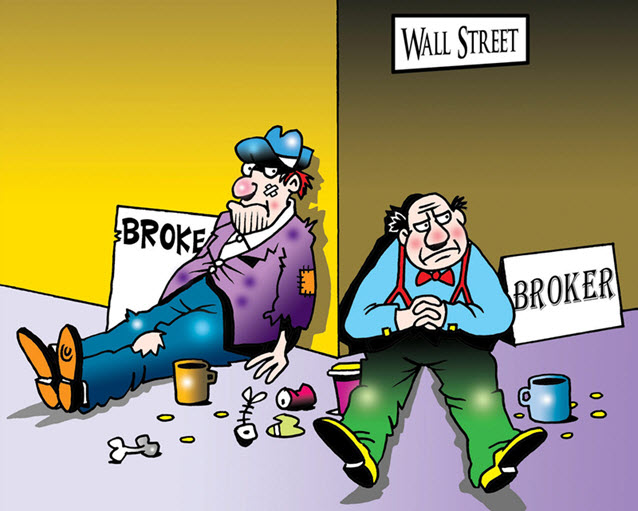
The minimum monthly payment on your credit cards only just covers the interest charged for the month plus a little bit of the principle. If you never charge anything new on the account, you’ll slowly pay down the balance. However, people who are making only the minimum payment on their credit cards usually don’t have a lot of excess cash each month – thus the reason for the minimum payments – so they tend to fall back on their credit cards to take care of extra or unexpected expenses, such as car repairs or medical bills. The balance on their cards continues to grow with new the new purchases and with interest on both the old and the new purchases.
Working to Make a Bank Rich While Staying Broke
Consider this scenario: You have $6,270 in credit card debt (right around the national family mean according to the 2019 Survey of Consumer Finances by the Federal Reserve), and you pay a 16.43 percent interest rate (average among cards assessed interest in August 2020). If you pay a minimum payment of $86 a month, it would take you 38 years and ten months to pay off your debt. You’ll also pay $33,806.00 in interest.
That’s almost 39 years that you’ll have $86 of your money tied up each month. That’s 39 years that you won’t be able to use that credit card just so you can actually pay off your balance.
If you wanted to pay that card off in 2 years you would need to increase your monthly payment by $222.29 to $308.29. This would have you pay $1,128.92 in interest while saving you $32,677.08 in interest expenses.
Besides the cost of credit card interest, making only the minimum credit card payment each month can have other consequences.
When you make only the minimum payment, your balance continues to remain high, which can lower your credit score and put you in a “high-risk” category. Not only can this trigger a rate increase from your credit card company, but it can also make it difficult for you to qualify for a mortgage or to get a good interest rate on the loan. The higher interest rate on your card and on your home loan can cost you thousands of dollars in the long run.

Improving Your Credit Score Lowers Your Mortgage Rates
If you want to purchase a home, it is important that you pay down your credit card debt as quickly as possible so you can improve your credit score, lower your debt-to-income ratio, and qualify for the best mortgage rates possible.
By paying even a little extra toward your credit cards each month, you can pay down the balance faster and save yourself a lot of money in interest. For example, on the $10,000 balance with 13 percent interest, if you increased your payment only $50 a month, you would pay off the debt in just two years and 11 months – or more than 12 years sooner.
If you don’t have any extra to pay, simply maintaining your minimum can help you gain traction. For example, if your minimum payment is $300 when you start paying back your debt, continue to pay the $300 each month, even when the minimum goes down as your balance goes down. You’ll pay more of the principle each month, and you’ll slowly pick up momentum in lowering your debt.
Equivalent Rate of Return After Income Taxes
Any extra payment you make on your card goes directly to principal, which can save you a lot of interest that no longer accumulates over the years. And unlike income which is taxed, money not needlessly spent on interest goes untaxed. If you are at a 37% marginal tax rate you would need to earn a 26.08% rate of return on investments taxed as ordinary income to earn as much as you make by applying the funds to paying off a 16.43 percent interest credit card sooner.
The formula for the above quote is: R = i / (1 - tr)
R = 16.43% / ( 100% - 37%) = 26.08%
Explore conventional mortgages, FHA loans, USDA loans, and VA loans to find out which option is right for you.
Check your options with a trusted El Monte lender.
Answer a few questions below and connect with a lender who can help you save today!
